

How much radiation is a dental scan? A simple comparison
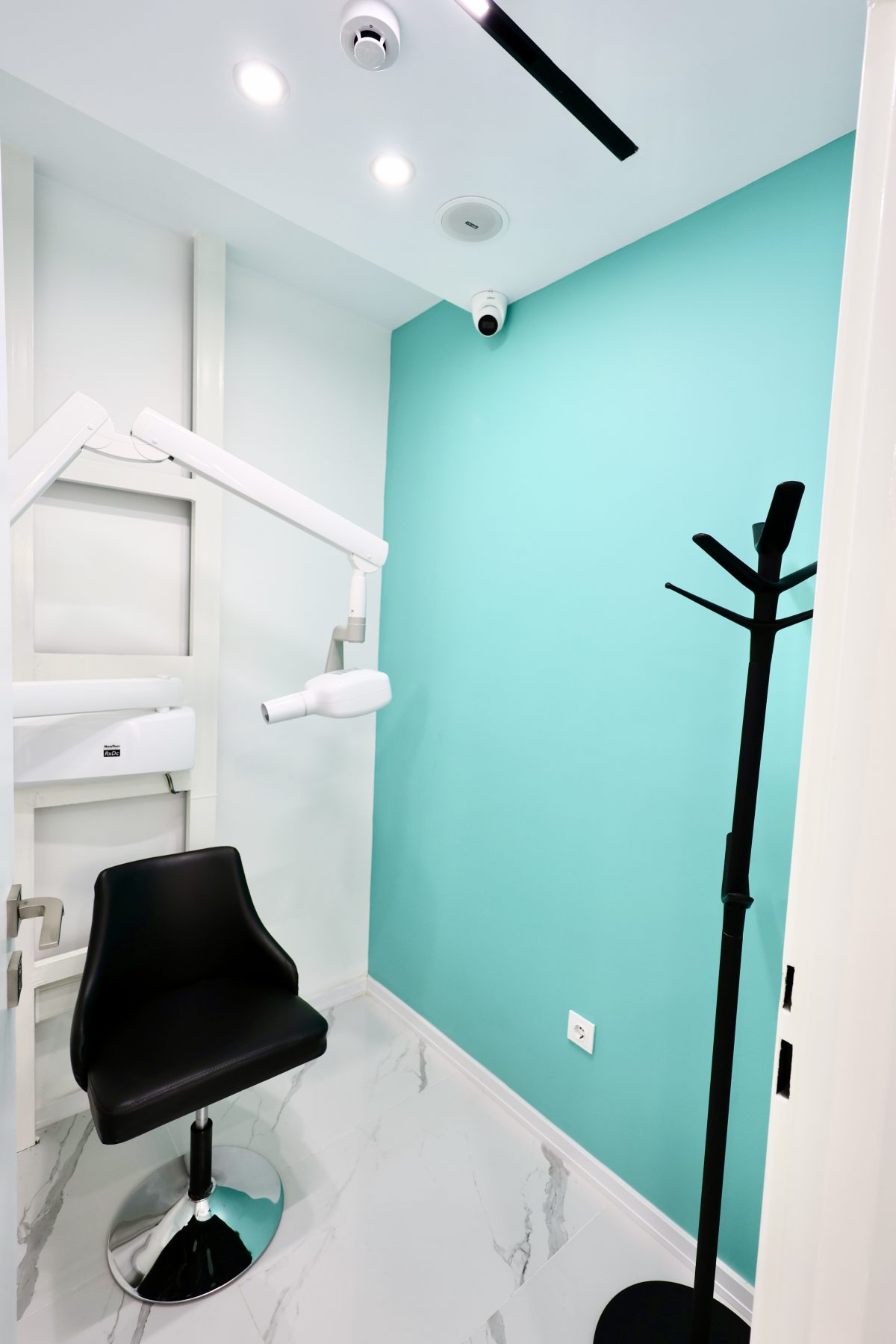
Dose figures only mean something when compared with something familiar. Here we compare dental imaging doses with natural background radiation and air travel.
"How much radiation is this?" is probably the question we hear most often. The short answer is: far less than most people assume. But for that answer to mean anything, we need something to compare it with.
The unit: microsieverts
Effective dose is measured in sieverts. Because dental imaging doses are very small, we normally use microsieverts (one millionth of a sievert, µSv).
Natural background radiation: the baseline
All of us are exposed to radiation without any imaging at all — from soil and rock, from radon in buildings, from cosmic rays, and even from the food we eat. The global average is about 2.4 mSv per year, or roughly 6.6 µSv per day.
Approximate dental imaging doses
| Examination | Approximate dose | Background equivalent |
|---|---|---|
| Periapical (single tooth) | about 5 µSv | less than a day |
| Panoramic | about 16 µSv | about 2–3 days |
| Cephalometric | about 5 µSv | less than a day |
| Small-field CBCT | about 50 µSv | about a week |
| Large-field CBCT | about 150 µSv | about three weeks |
Compared with flying
At cruising altitude, cosmic radiation is higher than at ground level — roughly 4 µSv per flight hour. A five-hour flight is therefore about the same as one panoramic radiograph.
The ALARA principle
A low dose is not a reason to image without cause. ALARA means keeping dose "as low as reasonably achievable". In practice: every examination must be clinically justified, the smallest necessary field of view is chosen, and exposure parameters are matched to the patient's age and build.
Interactive calculator
To work out your own imaging dose, use the radiation calculator: select the studies you are having and see the equivalent in days of background radiation and hours of flight.
These figures are approximate published averages for modern digital equipment and vary with the unit and exposure protocol. The decision to perform any examination rests with your treating clinician.